
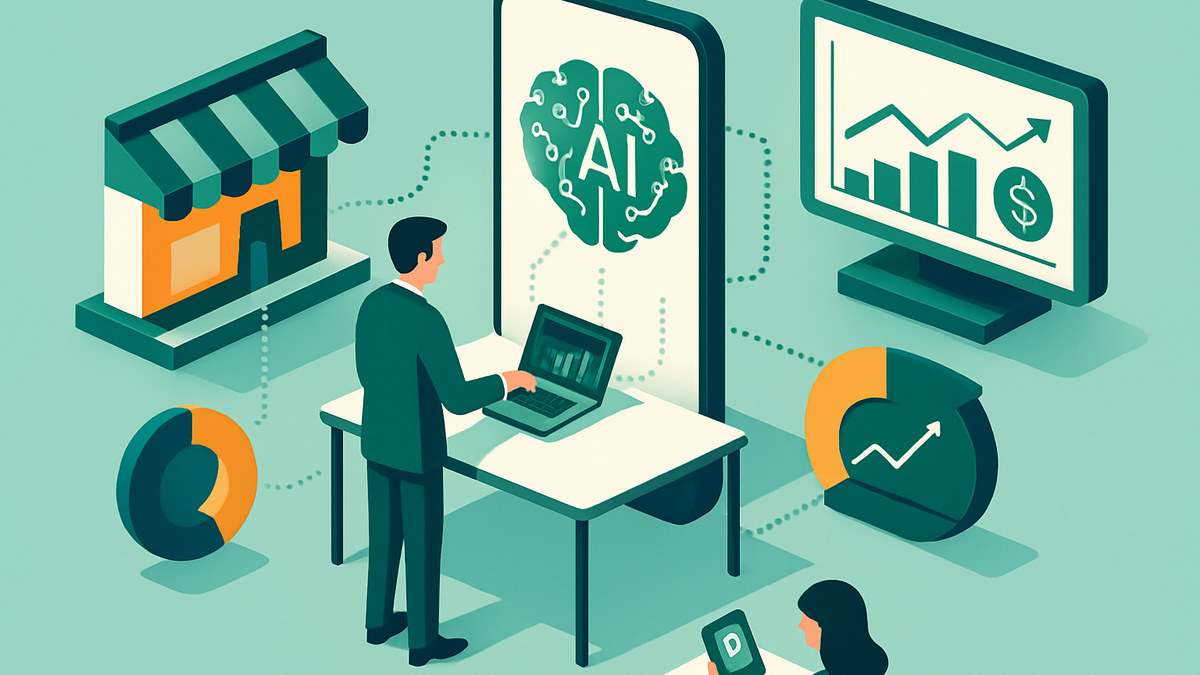
Automated Experience Optimization (AEO) is transforming how marketing operations teams approach customer engagement and sales. A recent guide from HubSpot Marketing explains how organizations can build scalable processes that connect AI-powered marketing efforts directly to revenue outcomes. This approach helps marketing and sales teams work smarter by optimizing customer experiences through automation and AI insights.
What Is Automated Experience Optimization (AEO)?
AEO involves using artificial intelligence tools to personalize and improve customer interactions automatically. Rather than relying on manual marketing tasks, AEO enables organizations to deliver the right message to the right person at the right time, based on real-time data and behavioral signals. This leads to better engagement and ultimately, increased sales.
Why Marketing Operations Teams Should Care
Marketing operations teams are responsible for managing the technology, processes, and data that power marketing efforts. By implementing AEO, these teams can create workflows that are not only more efficient but also more effective at driving business outcomes. This means less guesswork and more marketing activities tied directly to measurable revenue. For sales and customer-service teams, it means receiving higher-quality leads and insights that empower better conversations with prospects.
How to Build Scalable AEO Processes
The HubSpot guide outlines key strategies for integrating AI into marketing workflows, including:
- **Aligning AI tools with clear revenue goals** to ensure efforts are focused on outcomes that matter most.
- **Automating content personalization and delivery** to improve customer experience across channels.
- **Using data analytics to continually optimize campaigns and audience targeting** based on results.
- **Bridging marketing and sales teams** through shared platforms and reporting, enabling a seamless handoff of leads and insights.
By following these steps, organizations can scale marketing operations without sacrificing quality or relevance, even as customer needs evolve.
What Small Businesses Can Take Away
While large companies often lead the way with AI-driven marketing, small and midsize businesses can also benefit from AEO. Leveraging accessible AI tools allows these organizations to compete by providing customers with more personalized experiences, generating better leads, and ultimately increasing sales. The key is to implement scalable processes early so growth does not become a bottleneck.
What to Watch Next
Organizations should keep an eye on the continued evolution of AI marketing platforms that offer better integration capabilities and more intuitive user experiences. This will make it easier for marketing operations teams to adopt AEO without needing specialized technical skills. Also, exploring how AI-driven insights improve collaboration between sales and customer-service teams will be critical in maximizing revenue impact.
By focusing on scalable, AI-backed marketing processes, businesses can better connect their marketing efforts to the goals that matter most: driving revenue and creating loyal customers.