
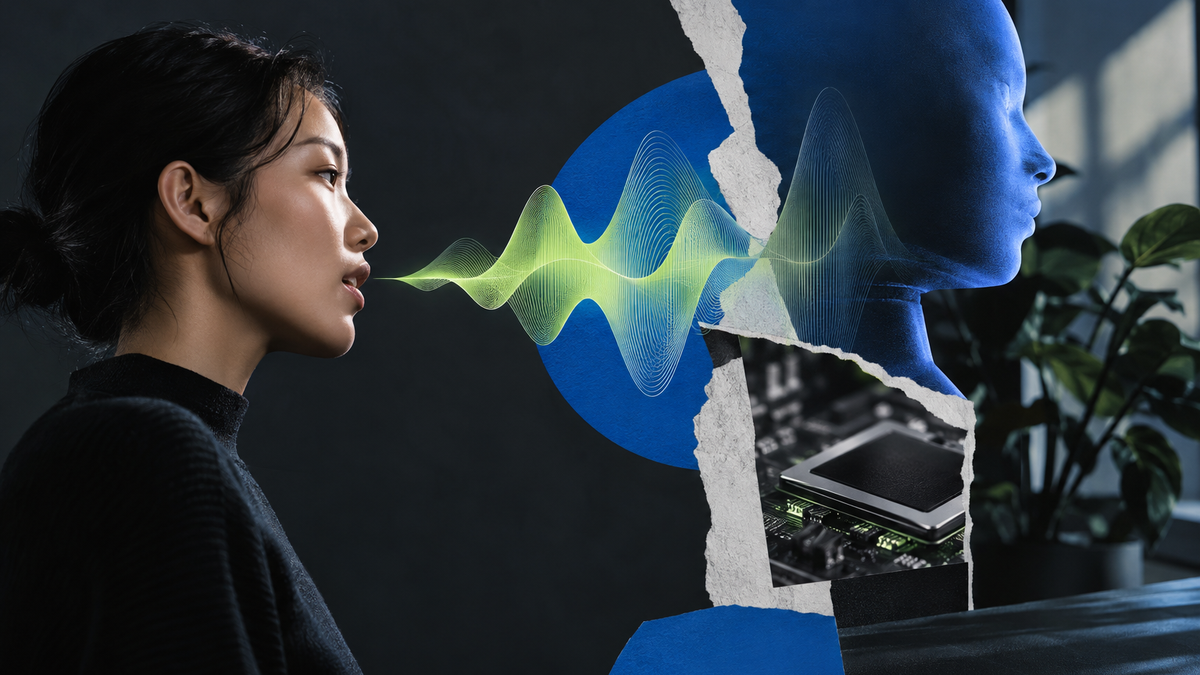
Block, a technology company, recently previewed Dessa, a unique AI voice model that was trained without relying on text data. This new method marks a notable shift in how voice AI systems can be developed, avoiding traditional text-based training. Instead, Dessa focuses on audio data alone, allowing it to better leverage local hardware capabilities for improved performance and privacy.
Why does this matter for businesses, especially those involved in sales and customer service? Voice AI agents are becoming a critical tool for handling customer interactions efficiently. Many organizations use these systems to answer questions, guide callers, or streamline service without needing a human representative. Dessa's design, which moves away from text-based training, could lead to more natural-sounding and responsive AI voices that work well even on local devices, rather than relying on cloud servers.
This local hardware focus offers potential benefits for small businesses and organizations with limited resources. Running AI voice models on local hardware may reduce costs over time and enhance data privacy since customer interactions might not have to travel to external servers. This is important for businesses concerned about protecting sensitive customer information and complying with data regulations.
However, Block also points out important safety risks connected to AI voice models like Dessa. AI systems trained in new ways can sometimes behave unpredictably or raise ethical questions, especially when handling sensitive customer communications. Businesses should carefully evaluate whether this type of AI fits their needs and ensure proper safeguards are in place before adopting new voice technologies.
Looking ahead, it will be important for companies to watch how Dessa develops and whether it becomes available for wider use. Its new training approach could open doors for other AI voice agents that depend less on massive text datasets, making AI more accessible and secure. For now, sales and customer service leaders should consider these innovations when exploring AI tools, weighing both the efficiency gains and safety concerns involved.
In summary, Block's Dessa represents an exciting step forward in AI voice technology. By training without text and utilizing local hardware, it offers a fresh approach with practical implications for businesses seeking better, safer customer communication tools. Keeping an eye on this evolving technology can help organizations make smarter choices about integrating AI voice agents into their operations.