
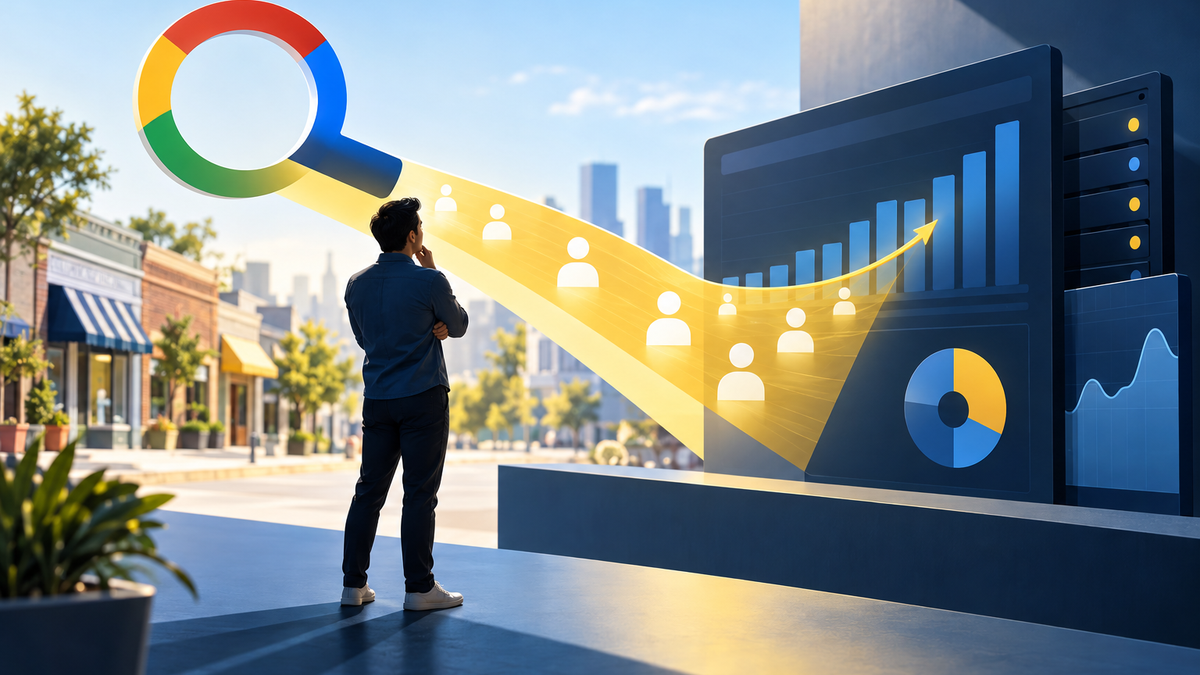
Google recently published a detailed help page that explains how businesses can find and analyze their search traffic using website analytics and server logs. This update is valuable for small businesses, local-service teams, and anyone interested in search engine optimization (SEO) or local discoverability. The guide clarifies several important points about how search traffic is recorded and why reported numbers might not always match between different Google tools.
The key focus of Google’s explanation is on ‘referrer values’ in analytics and logs. When someone clicks on a search result and lands on a website, their visit often includes a referrer tag showing that they came from Google Search. However, not all visits carry this information due to privacy settings, browser restrictions, or technical reasons. Understanding why some visits arrive without referrer data helps businesses avoid confusion when analyzing their traffic sources.
Another important aspect covered is why search traffic counts from analytics or server logs might differ from the data reported in Google Search Console. Search Console provides insights directly from Google Search but uses different methods and criteria to count visits, impressions, and queries. This means the numbers can vary between tools, which is important for organizations to keep in mind when evaluating their search performance.
For local businesses, accurately knowing how customers find them on Google Search is especially crucial. Many rely on this data to invest their marketing dollars wisely, improve their customer service approach, and optimize their websites for better local visibility. By using Google’s guide, businesses can better interpret their analytics data and server logs, leading to clearer insights about their search traffic.
This update also connects with broader trends in SEO and discoverability. As AI and new search experiences, like AI-powered chat and hybrid search results, continue to shape how people find information, local businesses must understand the traditional search traffic signals to remain competitive. While Google’s guide does not promise increased rankings or leads, it provides the tools needed to measure and understand current traffic effectively.
Organizations should watch for further updates from Google and other search platforms that could explain how referrer data or search traffic tracking evolves with rising AI search integrations. Tracking changes in analytics and logs will remain an important part of local SEO strategies and customer insights in a world where search experiences are rapidly expanding beyond simple keyword queries.
In summary, Google’s clear guidance on tracking search traffic arms businesses and search teams with better knowledge of which visits come from Google Search and why some data discrepancies occur. This understanding helps in making informed decisions about marketing efforts, website improvements, and providing excellent local customer service.