
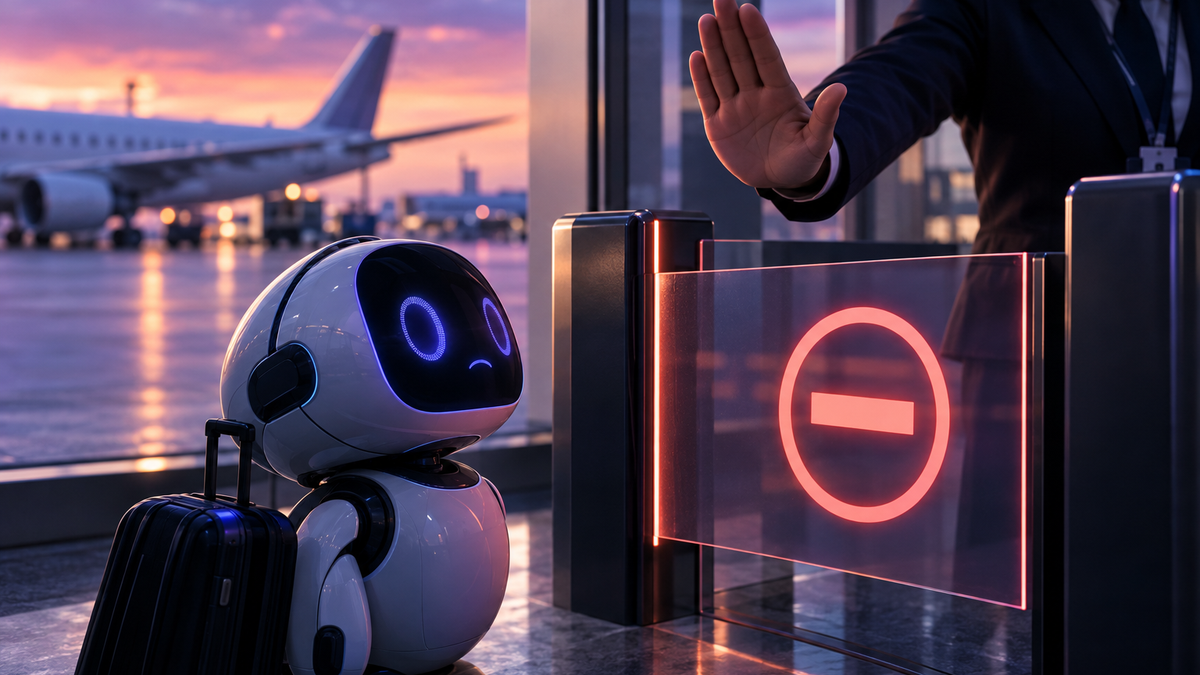
United Airlines recently announced it will block customer bots from accessing its digital platforms. This decision puts the airline alongside major companies like Walmart, Target, and Amazon that have taken similar steps.
Customer bots are automated programs used by consumers to interact with websites or apps. They can speed up tasks such as booking flights, making purchases, or checking availability. However, while these bots offer convenience, they also raise several security and compliance concerns for businesses.
United Airlines cited fears of data leakage, unintended purchases, and potential violations of federal airline regulations as the primary reasons for stopping customer bots. These risks could affect not only the airline's operational security but also legal compliance with strict government rules.
Industry experts point out that a big challenge for organizations is that there is no standard way to manage customer bots. Various AI vendors provide different types of bots, and managing all of them puts a heavy strain on IT resources. Because of this, companies like United are enforcing bot restrictions both directly (blocking bot access) and indirectly (using system controls to detect and stop bots.)
For sales and customer service teams, these restrictions mean they may need to adjust how they interact with customers online. Automated bot interactions that some companies rely on to speed up processes could become less reliable or require new tools that comply with security standards.
Small businesses and entrepreneurs should watch this trend closely, as larger organizations setting these kinds of policies often influence industry best practices. The move toward limiting customer bots could signal stricter rules on automation tools for all types of businesses, impacting how they deliver customer service or manage online sales.
Looking ahead, readers should watch for new guidelines or standards on customer bot usage and how AI and automation vendors respond with safer, more compliant solutions. Companies may also develop better detection and management technologies to balance convenience with security and legal requirements.